
Industry Insights
High-Speed Cable Manufacturing Process Explained: A Complete Guide to the Core Production Steps
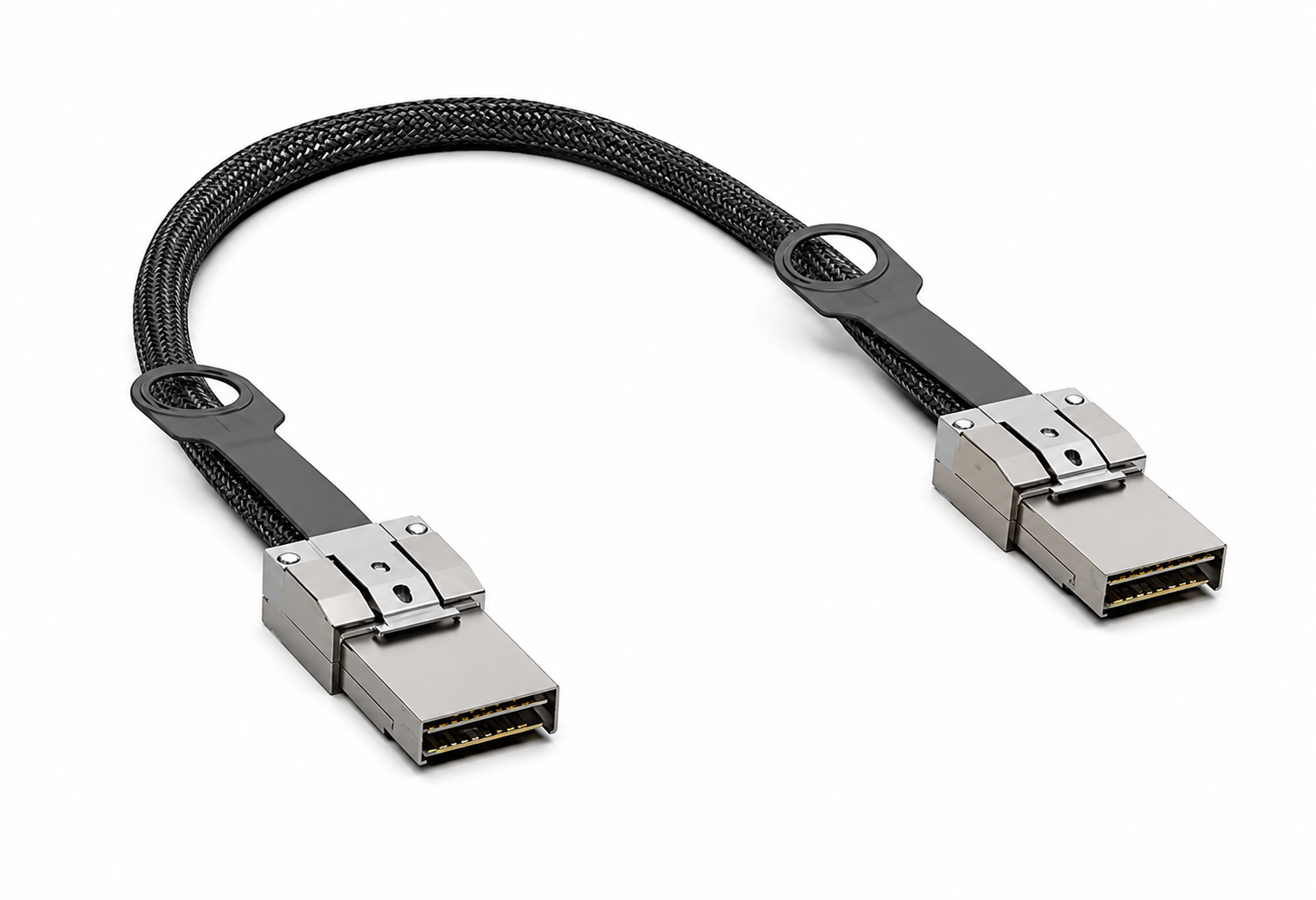
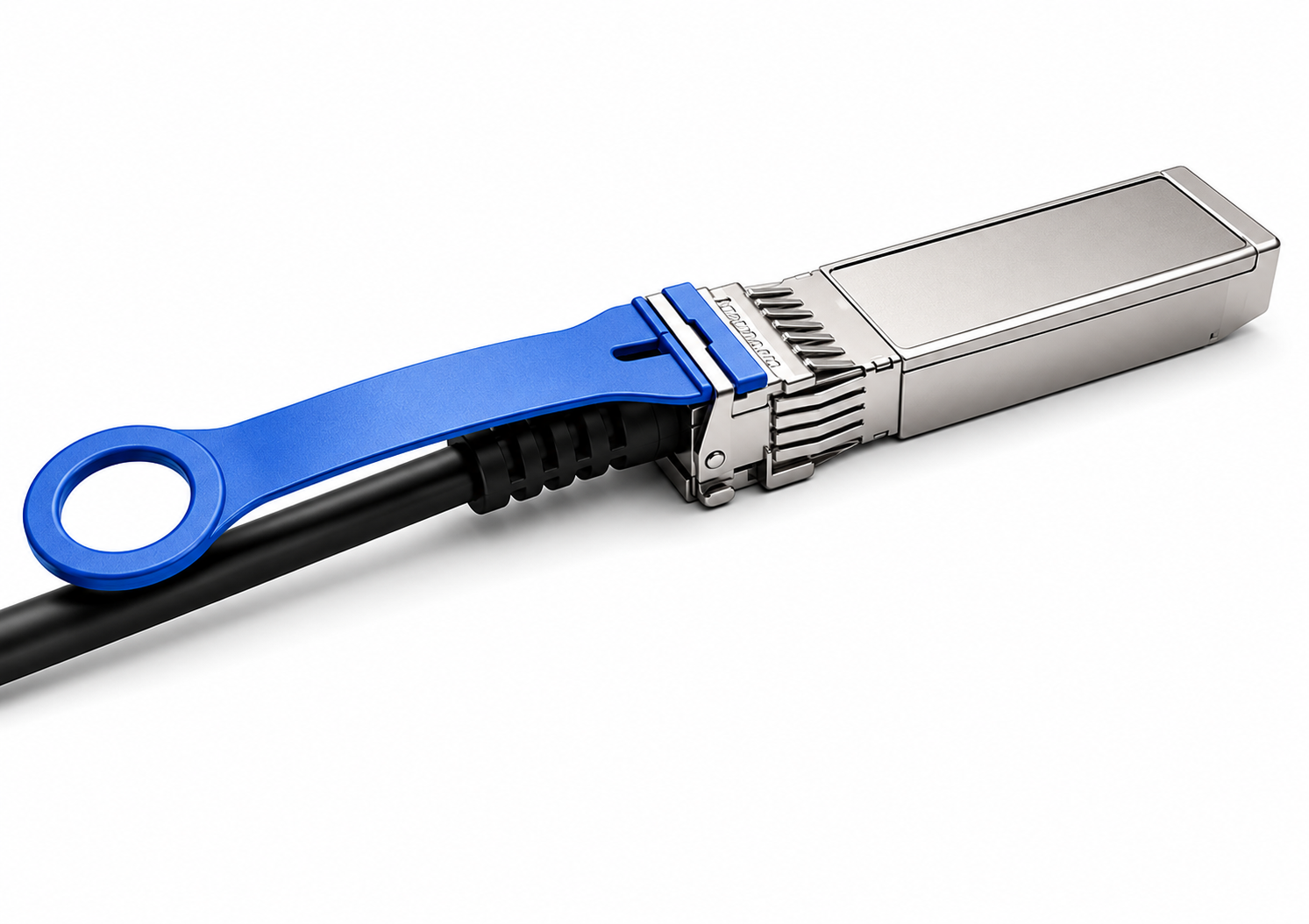
High-speed cables are fundamental components of high-speed signal transmission systems and are widely used in telecommunications, data centers, and advanced electronic equipment. They must meet stringent requirements for electrical performance, shielding effectiveness, and transmission stability. Unlike conventional cables, high-speed cables require complex manufacturing processes and extremely tight precision control. Final product quality depends on specialized manufacturing equipment, standardized processes, and comprehensive electrical performance testing.
High-speed cables typically consist of multiple parallel wire pairs. The complete manufacturing process includes five key stages: insulated conductor extrusion, parallel-pair wrapping, cable assembly, braiding, and outer-jacket extrusion. Each stage directly affects critical parameters such as impedance, attenuation, delay skew, and shielding effectiveness, making precise process control essential for stable, high-speed signal transmission.
The following sections explain the complete high-speed cable manufacturing process.
1. Insulated Conductor Extrusion: The Foundation of Cable Quality
Insulated conductor extrusion is the first fundamental stage in high-speed cable manufacturing. The precision and stability achieved at this stage directly affect the quality of all subsequent processes.
High-quality physically foamed polyolefin is used to form a skin-foam-skin, three-layer insulation structure. The foaming process must be tightly controlled to ensure uniform cell size and distribution within the insulation. This structure provides strong mechanical properties, reliable insulation adhesion, and long-term durability.
To maintain conductor accuracy, the production equipment should incorporate an intelligent in-line monitoring system that continuously measures and adjusts critical process data. Key parameters include insulation outer diameter, capacitance in water, and concentricity. Controlling these parameters ensures consistent dimensions and electrical performance across every insulated conductor while preventing dimensional deviations and performance variations.
2. Parallel-Pair Wrapping: Establishing Electrical Performance
After insulated conductor extrusion, the cable enters the parallel-pair wrapping stage, which plays a critical role in determining high-speed signal transmission performance.
Specialized wrapping equipment accurately combines two insulated conductors with a drain wire. The pair is then wrapped sequentially with an aluminum-foil shielding layer and self-adhesive polyester tape.
This dual-layer wrapping structure provides independent shielding for each pair, reduces external electromagnetic interference, and securely maintains the internal geometry to prevent conductor displacement or misalignment. The process directly affects key electrical parameters, including impedance accuracy, delay skew, and signal attenuation.
Standardized process parameters must be strictly followed throughout production. After wrapping, the semi-finished pairs must undergo dedicated electrical testing to identify and remove nonconforming products. Only pairs that meet the required high-speed cable performance specifications should proceed to the next manufacturing stage.
3. Parallel-Pair Cabling: Forming the Overall Cable Structure
Parallel-pair cabling is the key stage in forming the overall cable structure. Specialized cabling equipment gathers and precisely arranges multiple wrapped wire pairs. Polyester tape and aluminum-foil Mylar tape are then applied around the assembled cable core to provide overall shielding and stabilize the structure.
This process consolidates multiple wire pairs, maintains the overall cable geometry, and establishes a comprehensive shielding system. It helps reduce pair-to-pair crosstalk and significantly improves overall signal transmission stability. The precision of the cabling process directly affects the cable’s overall performance.
During production, particular attention must be paid to the consistency and alignment of each wire pair. Twisting, misalignment, uneven tension, and structural looseness must be avoided. After cabling, critical electrical parameters—including impedance, delay skew, and attenuation—must be tested again to verify the performance of the complete cable core.
4. Cable Braiding: Enhancing Shielding Performance
After cabling, a braided shield is added to further improve resistance to electromagnetic interference. A precision braiding machine applies a high-density metallic braid around the assembled cable core, creating an additional layer of shielding protection.
The metallic braid is a critical structure for suppressing electromagnetic interference. Its material and coverage directly affect shielding effectiveness and interference resistance. It can also improve the cable’s tensile strength and mechanical durability.
During production, pay-off and take-up tension, wire spacing, and braiding speed must be precisely controlled. The braided layer should have uniform coverage, fit tightly around the cable core, and remain free from skipped strands, broken wires, looseness, and other defects. This ensures that both shielding and mechanical performance meet the requirements of high-speed transmission applications.
5. Outer-Jacket Extrusion: Final Product Protection
Outer-jacket extrusion is the final forming stage in high-speed cable production. Its primary purpose is to provide comprehensive physical protection, extend service life, and enable the cable to operate reliably in different application environments.
High-precision extrusion equipment applies a uniform polyolefin protective jacket over the braided cable. The jacket protects the internal shielding and cable structure against abrasion, pulling forces, moisture, oxidation, and other environmental stresses. Its tightness and surface uniformity also affect the cable’s appearance and subsequent termination processes.
Key parameters—including pay-off and take-up tension, cable alignment, extrusion temperature, and line speed—must be strictly controlled. The jacket should be uniform, tightly fitted, and free from bulges, surface damage, and other defects, while meeting requirements for protection, appearance, and downstream processing.
Conclusion
High-speed cable manufacturing is a precise, standardized, and fully controlled production process. Every stage—from insulated conductor extrusion and pair wrapping to cabling, braided shielding, and outer-jacket extrusion—must be carefully managed to achieve low attenuation, low crosstalk, effective shielding, and stable signal transmission.
MIJOINT specializes in customized automation equipment for AI high-speed cables, connectors, optical fibers, optical transceivers, and related applications. We provide integrated services covering sales, R&D, manufacturing, and after-sales support, helping customers establish reliable and efficient production processes for advanced high-speed interconnect products.